

Upload Image...


Pharmaceuticals
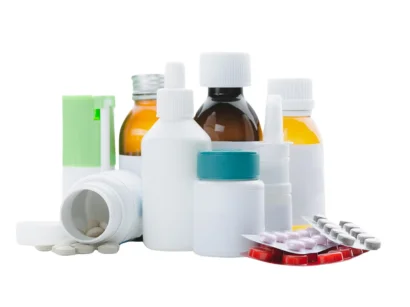
The pharmaceuticals industry is critically important as it directly impacts human health. Therefore, every stage of production—filling, packaging, and information printing—must strictly comply with GMP standards to ensure product quality and safety.
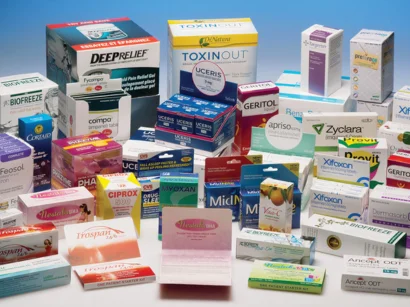
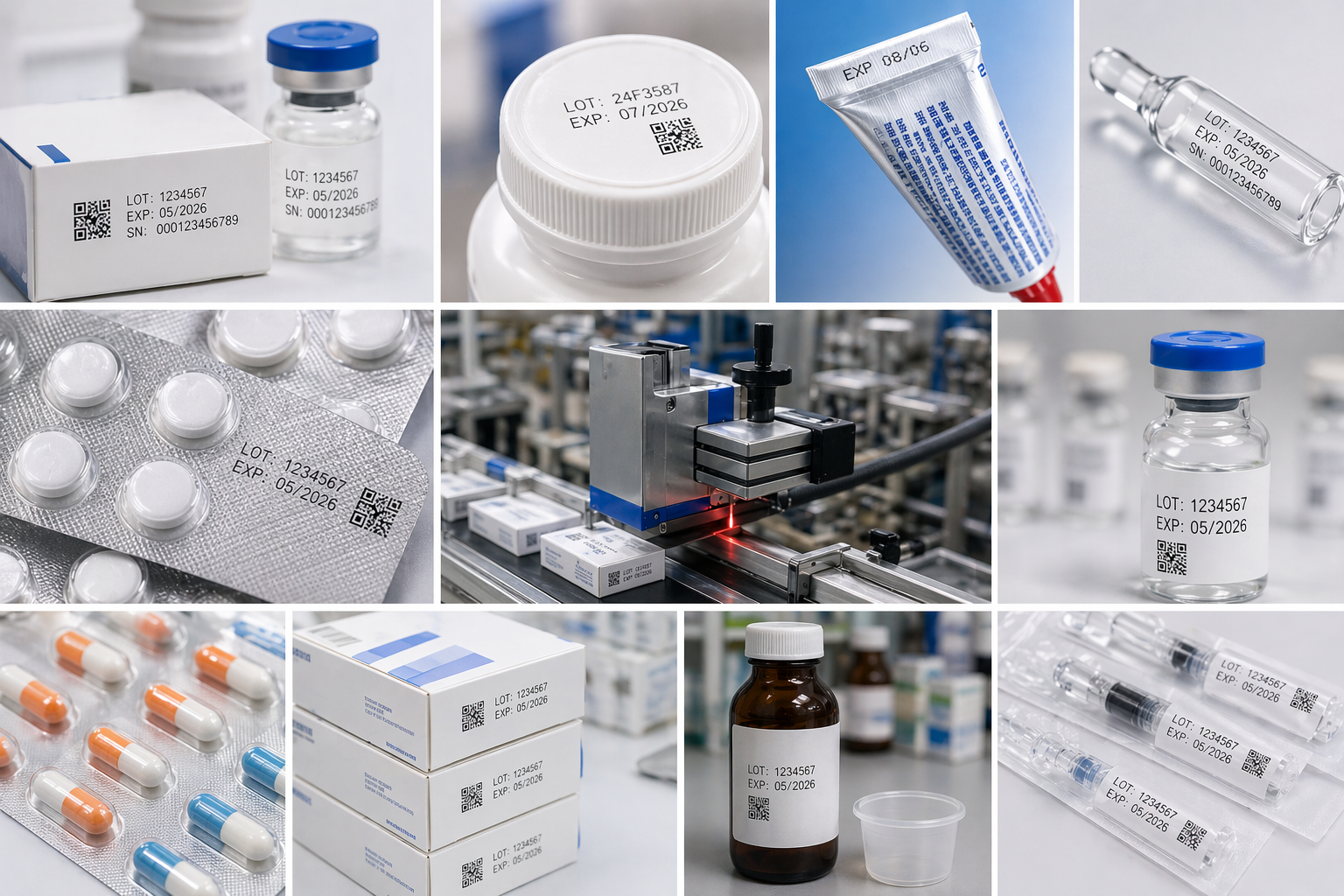
Pharmaceuticals packaging comes into direct contact with active ingredients, requiring high standards for cleanliness, moisture resistance, light protection, and safeguarding active compounds from external factors. In addition, product information such as batch number (LOT), manufacturing date (MFG), expiry date (EXP), and QR codes for traceability must be clearly and accurately printed to support quality management and risk control.
With the growing demand for solid (tablets, powders) and liquid pharmaceuticals products, pharmaceutical manufacturers require advanced, stable, and hygienic solutions for packaging, filling, and date coding to improve productivity, minimize errors, and ensure compliance with pharmaceutical safety standards.
Comprehensive Solutions for the Pharmaceutical Industry
CVM Group understands the stringent requirements of the pharmaceuticals industry and provides comprehensive equipment solutions designed to meet GMP standards, helping businesses optimize production and ensure product quality.
- Pharmaceuticals Packaging Machines: Suitable for powders, granules, and tablets with packaging formats such as stick packs, sachets, pillow bags, or multi-lane VFFS systems. These machines ensure airtight sealing, high-speed operation, and consistent packaging quality, meeting large-scale production demands.
- Pharmaceuticals Filling Machines: Designed for liquid or semi-liquid products such as syrups, eye drops, oral solutions, and throat sprays. The equipment operates with high precision, ensures hygienic and sterile conditions, complies with pharmaceutical safety standards, and minimizes the risk of cross-contamination.
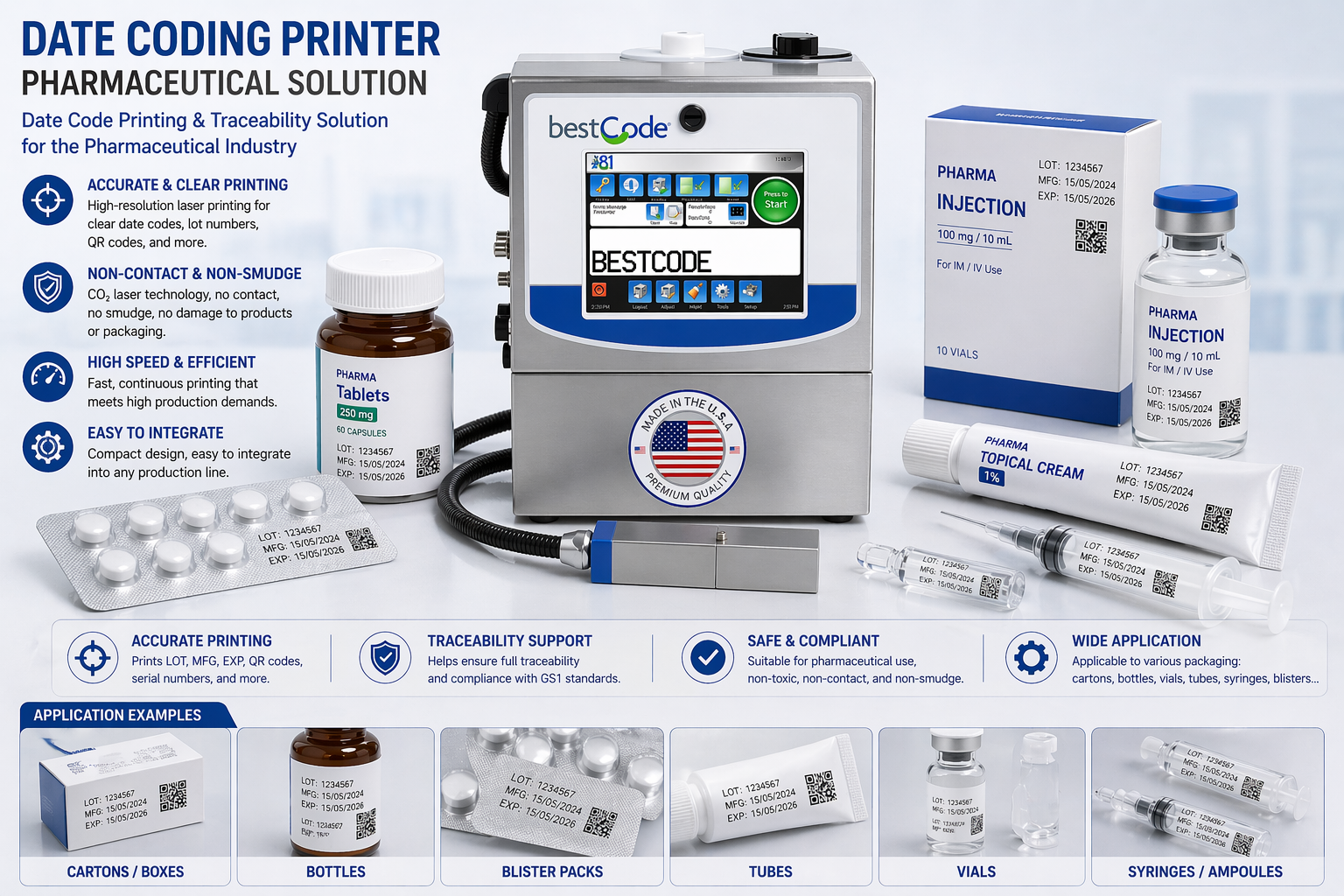
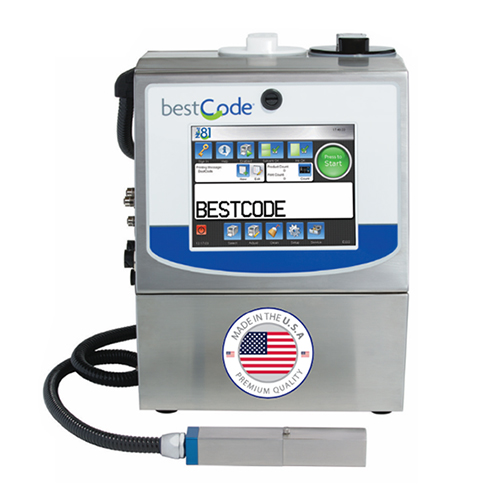
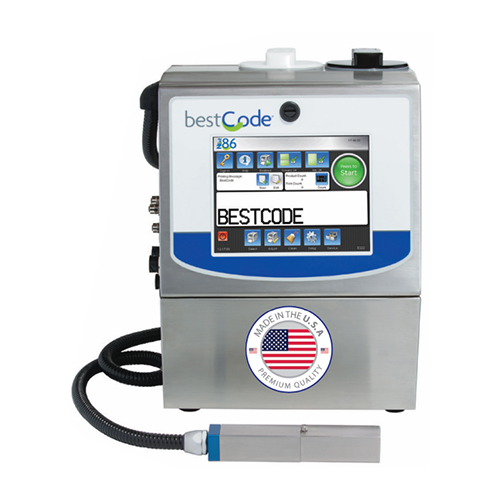
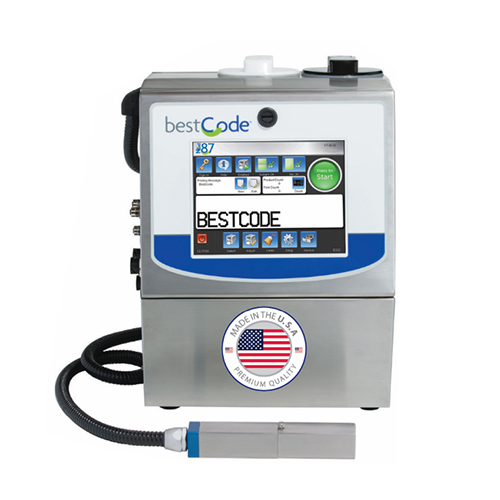
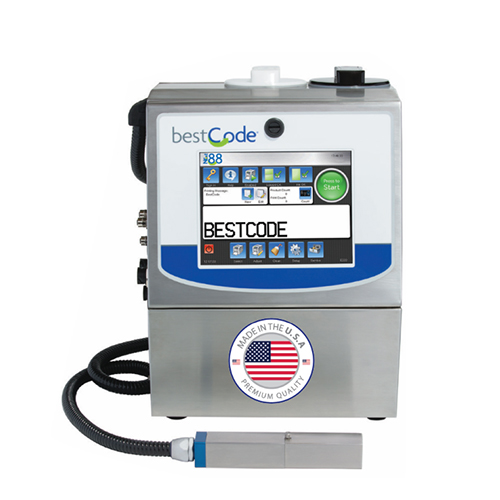
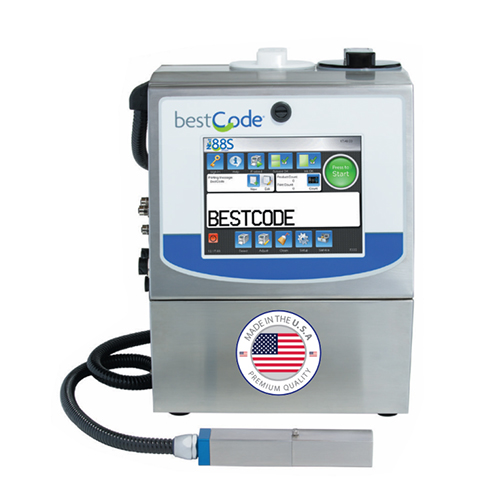
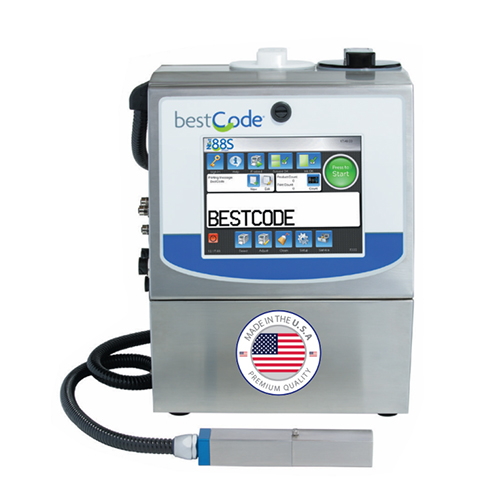
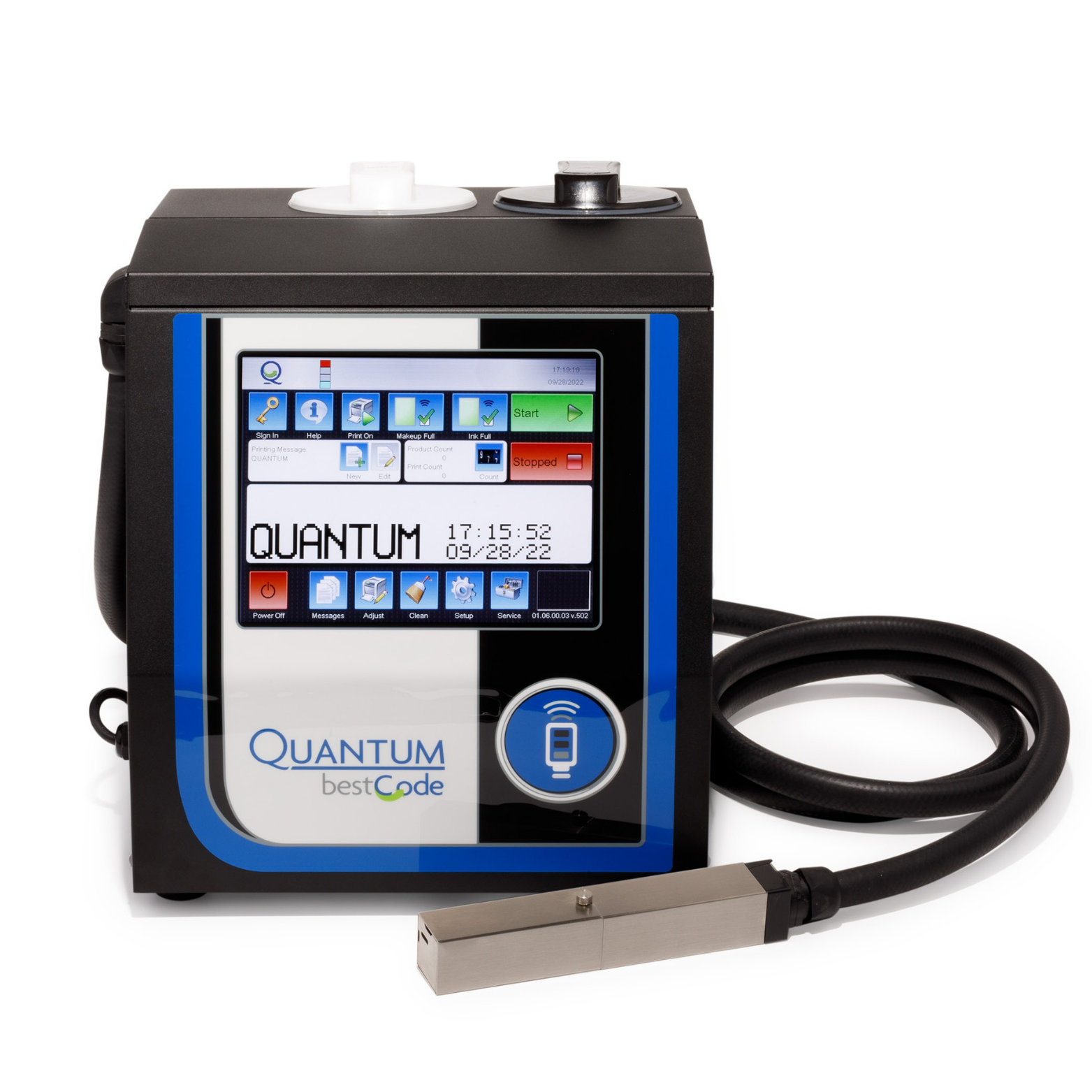
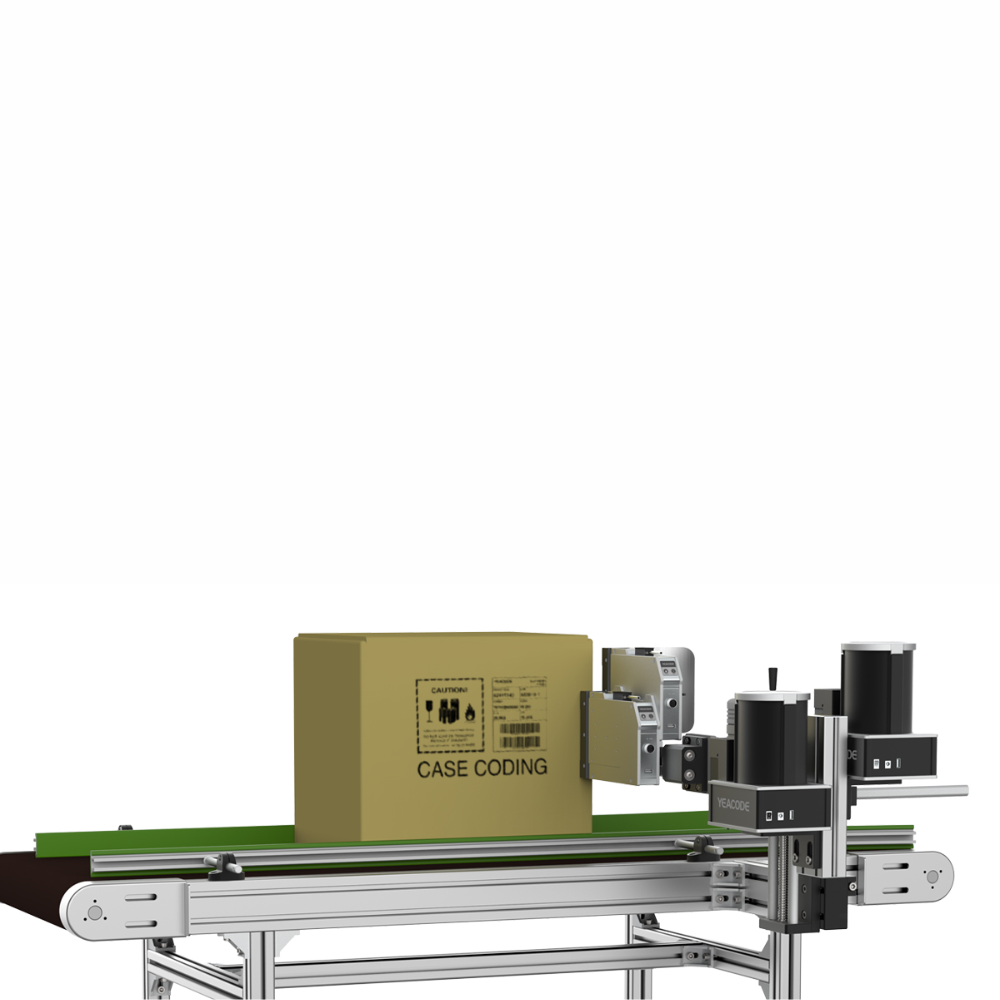
- Continuous Inkjet Printer (CIJ): Used for printing MFG, EXP, batch numbers (LOT), and QR codes on packaging, bottles, blister packs, or pharmaceutical pouches. The printer offers high-speed, smudge-free printing with strong ink adhesion and stable operation in pharmaceutical production environments.
- Metal Detector: Detects metal contaminants in tablets, powders, or granules. This is a critical device for ensuring output quality and meeting GMP inspection standards.
CVM Group partners with pharmaceuticals manufacturers in selecting suitable equipment for each product type, designing GMP-compliant production lines, and optimizing operating costs. Each solution is tailored to the specific conditions of each factory, improving efficiency and reducing production errors.
With years of experience and advanced equipment systems, CVM Group is committed to delivering comprehensive, stable solutions with rapid technical support—helping pharmaceuticals businesses enhance productivity and meet the stringent standards of the industry.
KEY ADVANTAGES OF PHARMACEUTICAL SOLUTIONS

Ensure GMP compliance
All equipment is designed and operated in accordance with GMP standards, ensuring hygiene, safety, and high quality throughout the entire production, filling, packaging, and pharmaceutical information printing processes.
Increase production efficiency
The system, including pharmaceutical packaging machines, filling machines, and date coding equipment, operates quickly, stably, and consistently—enabling businesses to meet large-scale production demands while maintaining quality.
High accuracy and quality
CIJ printers clearly print MFG, EXP, batch numbers (LOT), and QR codes; filling machines ensure precise dosing and sterility; packaging machines provide airtight sealing to protect pharmaceutical ingredients from moisture, light, and external factors.
Risk control and enhanced safety
Equipment such as metal detectors for identifying metallic contaminants, along with other automated systems, helps reduce errors, ensure product safety, and meet stringent inspection standards.
Easy operation and optimized costs
The equipment is user-friendly and easy to maintain, while helping reduce labor requirements, minimize material waste, and optimize operating costs—thereby improving the overall efficiency of the production line.